

Putting Inhouse Lawyers on the Bridge

Implementation of AI platforms and blockchains in shipping
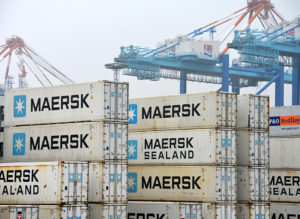 Following the trend in the banking industry for using AI platforms and blockchains, IBM has recently implemented a pilot blockchain scheme with Maersk and the port of Montreal. This implemented blockchain makes the physical movement of vessels and cargos visible to all interested parties virtually 24/7, allows the port, and the Maersk vessels, to work much more efficient and helps avoid fraud and negligence.
Similarly, transport infrastructure developer Cintra has looked to the machine-learning sphere for the review and analysis of NDAs and is almost ready to launch such a tool in its legal department once a period of testing is completed.
In a related development, the introduction of electronic bills of lading in Singapore is a long-awaited tool which will undoubtedly speed up the process of discharge and make Letters of Indemnity appear just as archaic as paper cheques in banking.
So, where do in-house lawyers see themselves when it comes to applying practical AI solutions and blockchains to legal problems? At present, only 8.8% of EU lawyers are using AI solutions; though things change rapidly.
Decision making and legal reasoning
Decisions in trade are usually made by commercial people. Only if things go wrong are lawyers and judges required for applying legal rules on causation to determine where liability should land. Will machine learning platforms ever be able to carry out this sort of analysis and perhaps even advise the decision makers?
Christophe Roquilly, Dean for Faculty and Research, EDHEC Business School, who has been involved in machine law learning exercises, explains that “the ability to replace standard analysis” is a possibility today, but: “Analysis further than that, when there is more room for subjectivity and then exchange between different persons is key in the situation … we are not there yet.”
Apart from subjectivity and communication the key questions regarding legal analysis appear to be whether:
- legal reasoning includes any reasoning about law regardless of who undertakes it, or where it is undertaken, or is it exclusive to adjudicative institutions; and
- legal reasoning is distinguishable from any other reasoning only because of the subject matter, or are there methods and modes of reasoning which are unique to, or at least distinctive of the law?
Few lawyers, whether in-house or in private practice, ask themselves these questions, but most AI developers involved in programming for lawyers, do. They say that when developing an AI learning platform, they take inspiration from literature going back to the ancient Greek philosophers to study how people argue. They also analyse legal theories to look specifically at how legal argument is conducted. They report a stunning 96% success rate when comparing AI legal reasoning against real judgements.
In fact, at the present stage of development, analysis of data and documents as well as their production and transmission can be performed by AI. Decision making, however, currently remains with human lawyers.
Electronic bills of lading
 The master of a vessel is rarely able to consult a lawyer prior to taking on liability in relation to the cargo. This liability, often for millions of dollars, is taken by vessel owners without even seeing the terms of the contracts. The reality is that when the bills of lading are brought on board together with the other shipping documents, they are quickly signed, the anchor is weighed, and the voyage begins.
It is unclear why the shipping industry has been so late setting up the processes required for issuing electronic bills of lading and developing an algorithm which will (a) automatically review the terms of the bills of lading and relevant charter parties, (b) draw vessel owners’ attention to the most risky terms of the bills of lading and charter parties and (c) provide recommendations in relation to any risks and inconsistencies in the shipping documents.
With electronic bills of lading, high risk terms will be highlighted immediately for the in-house lawyer’s attention, before the document has been signed. Decisions about whether to accept, reject or amend such terms will remain with the lawyer. Just as Excel does not replace the accountants in the post-fixture department when they calculate final freight payment, AI will not replace the in-house lawyer. AI is simply a tool that can supercharge the lawyer’s ability to make sound, informed decisions whilst control and responsibility stay with the lawyers. As things stand at present, the technology does not take the responsibility because it does not make the decision.
A further benefit of electronic bills of lading is that after a peril has eventuated, the lawyers need not waste time and effort requesting information, which operating departments are seldom eager to provide. All such information will be available electronically straight away, giving the lawyer more understanding and more visibility over the current physical work that the vessels and crews are doing.
Given the increased transparency of data provided by electronic bills of lading and the increased control, insight and efficiency that this delivers, demand for in-house lawyers in shipping may increase rather than decrease.
Leave a Reply