

Article 50: legislative future to remain uncertain
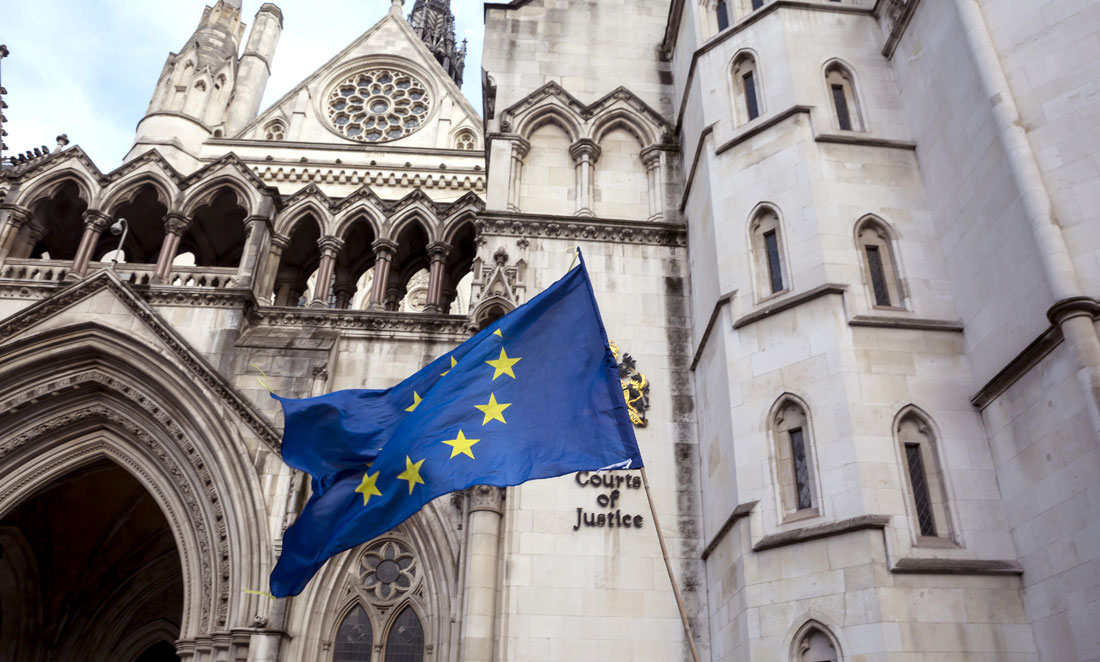
Legal Limbo-land: May sets deadline for Article 50, but legislative future to remain uncertain
The Prime Minister Theresa May announced that Article 50 will be triggered before the end of March and that the next Queens Speech, due to take place in April or May 2017, will include the optimistically named ‘Great Repeal Bill’ (GRB) to repeal the European Communities Act 1972. Assuming that legal challenges to the use of the Royal Prerogative to trigger Article 50 fall short of their goal, it is likely that the UK will formally leave the EU in the first quarter of 2019, before the next European Parliamentary Elections.
Whilst the Prime Ministers announcement of timings and unwavering commitment to deliver a Brexit may come as some relief to some impatient Brexiteers, it seems that there is no such respite in uncertainty for UK businesses. The Prime Minister’s speech does not detail the approach to which the government will approach it negotiations with the European Community for withdrawal from the EU, nor does it contain the slightest inclination as to how the government intends to unpick and then reweave the infinitesimal tapestry of EU legislation. It is likely that the government will have to embark upon a lengthy period of scrutinising the current EU related legislation and deciding which legislations should be retained, amended or repealed. The result of this uncertainty places UK businesses in limbo as to what conditions they will have to operate under in future. The havoc that legal and economic uncertainty has caused can already be evidenced by the pound falling to a 31-year low against the dollar and it seems there will be no respite up to and after Britain’s exit from the EU in 2019.
In the main, therefore, Britain’s legal future looks about as clear as the Thames, however, it has been announced that there will be no sharp end to EU law derived provisions, as the announced GRB suggests that they will remain in place after the 1972 Act has been repealed until a decision has been made over whether to accept or reject them. One exception to the above is the provision relating to existing EU workers’ rights, which the Prime Minister has pledged to retain. However, given her remarkable U-turns over the decisions to build a new runway at Heathrow and the Hinkley Plant of late there is no guarantee.
On the 23rd June 2016 the British people voted decisively to leave the EU, and whilst some of the behaviour of politicians on the campaigns for ‘Leave’ and ‘Remain’ was questionable, should the legitimacy of the vote now be questioned? The country’s elected government has spoken and so has its people. However, at the same time had the government held off the referendum to 2017 as initially planned, created a clear and precise plan of action for Britain’s potential exit from the EU, and had we had a sensible debate based on facts, would we have had a different outcome in June 2016? Is there really anything to be gained reflecting on what might have been? A decision was made and there is no turning back. We have to move forward collectively and plough our efforts in ensuring that this country retains the allure that attracts people and businesses to invest in the UK.
If you require advise on immigration and business, please feel free to contact Mr Kumar Subramani.
Leave a Reply